
Or, how ecology and communication go hand in hand.
At first glance, the connection between communication and waste might seem unusual.
But if we pause and think, the logic becomes clear. The foundation of waste-free communication is the zero waste philosophy, which means striving to reduce harmful consequences. Starting to get some ideas? But how does communication leave a trace of harmful consequences? What are those consequences, and how can we minimize their impact?
Let’s Start from the Beginning First, what does ecology teach us?
It teaches us to use resources consciously and responsibly, to protect natural wealth, and to think about the bigger picture.
It encourages us to question every action we take and its impact on nature and the world around us. It teaches us about unity, cooperation, and the understanding that we should not see the world solely from our own perspective but be aware of others as well. Awareness of our role and impact in the community – whether it’s our family, workplace, building, street, neighborhood, city, surrounding area, country, region, or even the planet – is also ecology.
How Do We Actually Communicate?
Although we were taught to speak as children, few of us learned the actual skill of communication within our families. If we look back at our childhood, we can recall how the adults spoke to us. If we’re honest, we’ll recognize that we have adopted their patterns. We’ll hear ourselves saying the same sentences our parents or other adults we grew up with used to say.
Did we like hearing them? Sometimes yes, sometimes not so much. Are we happy when we hear ourselves repeating them? Sometimes yes, sometimes not. Those sentences were passed down from their parents or other significant adults.
If we accept this as reality – since just as we had no one to teach us, neither did those who raised us – it will be much easier to move forward.
What Are the Harmful Consequences of Our Communication?
An offended colleague, a confused neighbor, an unsatisfied client, an angry friend, wrong decisions, unmet goals, missed opportunities. Frustration, anger, sadness, and eventually physical manifestations – arrhythmia, high blood pressure, stomach pain… the list goes on. We have all experienced the consequences of harmful conversations at some point.
Just as we globally face the consequences of irresponsible waste management and seek solutions to consumerism-related problems – such as air and water pollution, species extinction, and environmental degradation – we can also approach cleaning up and changing our habits in human relationships and communication.
What’s Next?
In my opinion, the simplest way forward is to follow these two key Ecocivilization goals for 2025:
– Dare to go beyond
– Imagine and practice
How do you imagine an ideal world around you? What kind of relationships do you wish to have with others? How do you picture a meaningful dialogue?
When you:
– Become aware of yourself and your conversation partners,
– Take responsibility for your words,
– Carefully choose words to express what you truly mean,
you are already on the right path. You are stepping beyond old habits, questioning them, and beginning to practice a new, conscious way of building relationships with others.
Waste-free communication connects people, fosters trust, and creates strong bonds.
A Step Toward a Better World
As part of the Ecocivilization movement in 2025, we are focusing on two key themes to make the world a better place and help overcome the challenges our civilization faces:
– Leadership in a Changing World
– Mental Health
In Eco-Civilization Serbia, we believe that healthy dialogue is essential for overcoming challenges—not just for today’s leaders but for all of us.
Through education on waste-free communication, we develop our own skills and support those who join us in creating new paradigms. This is not just a story – it’s a call for change. Soon, the Waste-Free Communication program will begin, organized by Ecocivilization Serbia.
Join us and be part of the solution!
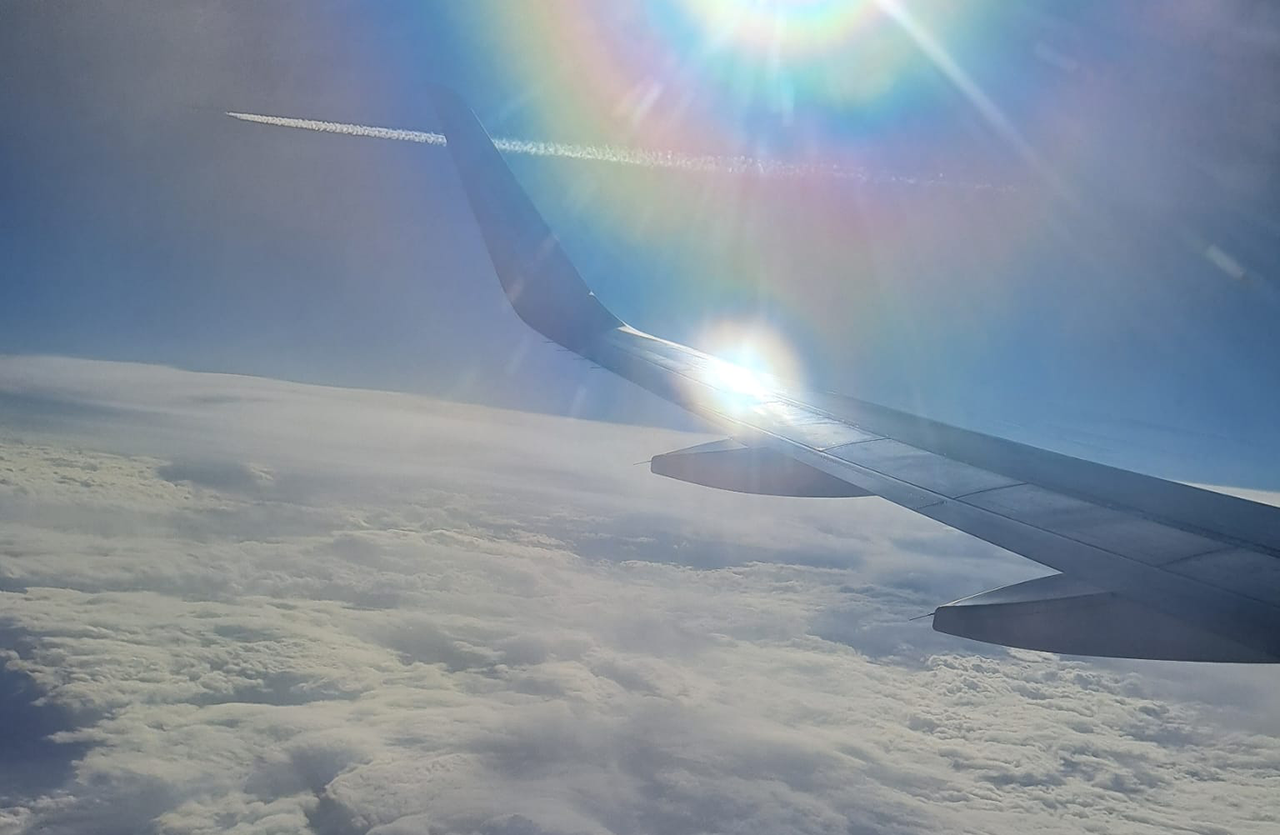
Description: The illustration is a photo of our Majda Adlešić who traveled to Podgorica on March 25 to the conference “Support and promotion of regional activities of the civil society in the Western Balkans”
March 29, 2025, Novi Sad, Serbia, Branislava Simović