
Personal experience
In the first half of 2025, my work took me to European cities that I haven’t visited before – or it’s been a long time since my last visit.
As the departures continued, so did my reluctance, to the extent that I persistently forgot that the last trip to Paris was coming up.
Everything inside me was deeply revolted. Traveling by plane, a two-day business stay in a big city, and then another day or two to feel the energy of the environment that millions of people choose to build their lives there. And then there are the tourists, whose intrusive presence drains the city down to the last grain of gold dust. Heavy, too heavy cliche.
From the former euphoria of visiting everything possible, for me, visiting a city has long been reduced to observing people walking hurriedly while I drink coffee and thinking randomly: what is their everyday life like? Are they satisfied with their lives? Is it comfortable and safe to raise children in a community called Lisbon, Kaunas, Prague, Paris?
And the boogie of summer tourism, which is only merciless towards the hosts. Those seasonal pilgrimages to the seashore to dip in salt water for a week or two and have a little sunbathing, on the one hand, support the local population, because the rest of the year depends on the tourist season, and on the other hand, they push the authentic local life into the background, into the depths of some taverns, where the hosts can’t wait for the guests to leave.
It’s no wonder that some tourist centers introduce an entrance fee to the city. It’s no wonder that the employees of the Louvre said in June 2025, “We’re not going to work, we’re tired, we’re closing for a few days”. It’s no wonder that people in America are facing a water shortage, because a data center for artificial intelligence is being built in their neighborhood, which needs that water, and the ecosystem that surrounds it also needs it. And it’s no wonder that the old model that puts economic growth on the throne is no longer the equation that leads to the future.
Perspective from space
Astronaut Ron Garan, who spent 178 days in space, says he had a “sobering realization” when he observed Earth from orbit. He realized that we were “living a lie.” Viewing Earth from the MSS (International Space Station), Garan described witnessing “flashes of lightning like paparazzi”, “dancing curtains of auroras” and, most eerily, “the incredible thinness of our planet’s atmosphere”. At that moment it became clear to him: that fragile layer is all that protects life, yet our systems treat the planet as “the sole property of the global economy.”
Therefore, he believes that the world must shift from prioritizing “economy → society → planet” to “planet → society → economy” in order to survive and evolve.
Return to Earth
The same applies to cities. We need a new arrangement of values that make a city attractive to live in.
“The vision of the city of the future as an integrated ecosystem suggests a deep reflection on our relationship with the environment. As cities consume 75% of natural resources and are responsible for 70% of global CO2 emissions, the urgency of rethinking the urban model becomes palpable. “Urbanization, contributing to 38% of global CO2 emissions, represents an unprecedented challenge, but also a unique opportunity to reimagine our cities as living beings that coexist in harmony with the planet,” says the Driving Eco portal.
Post-growth cities
The phrase “post-growth cities” means an alternative to the traditional approach to urbanism that subordinated everything to growth. These are cities that understand that they can become regenerative environments – beneficial to both residents and the planet. Solutions rely on nature by redefining the concept of urban progress.
“Community-led development is another key principle of the post-growth city model.” By involving local communities in decision-making processes, cities can ensure that development is aligned with the needs and priorities of residents, fostering a sense of ownership and empowerment. Therefore, the challenges and opportunities of post-growth city models go beyond technical or financial issues. They involve changing mindsets, values and priorities. They require an appreciation of the intergenerational and global consequences of urban development and the need for a just transition to a sustainable future,” writes the Driving Eco portal.
Why is traditional urbanism still dominant?
Redefining the concept of urban progress implies that decision-makers and institutions become aware of the need for change. It is necessary for social communities to express their willingness to participate in the process that seeks a new paradigm. A thorough review of established structures requires a new scale of values and the establishment of a different value system. That new narrative must precisely define new social conditions and initiate change in accordance with the real possibilities of planet Earth.
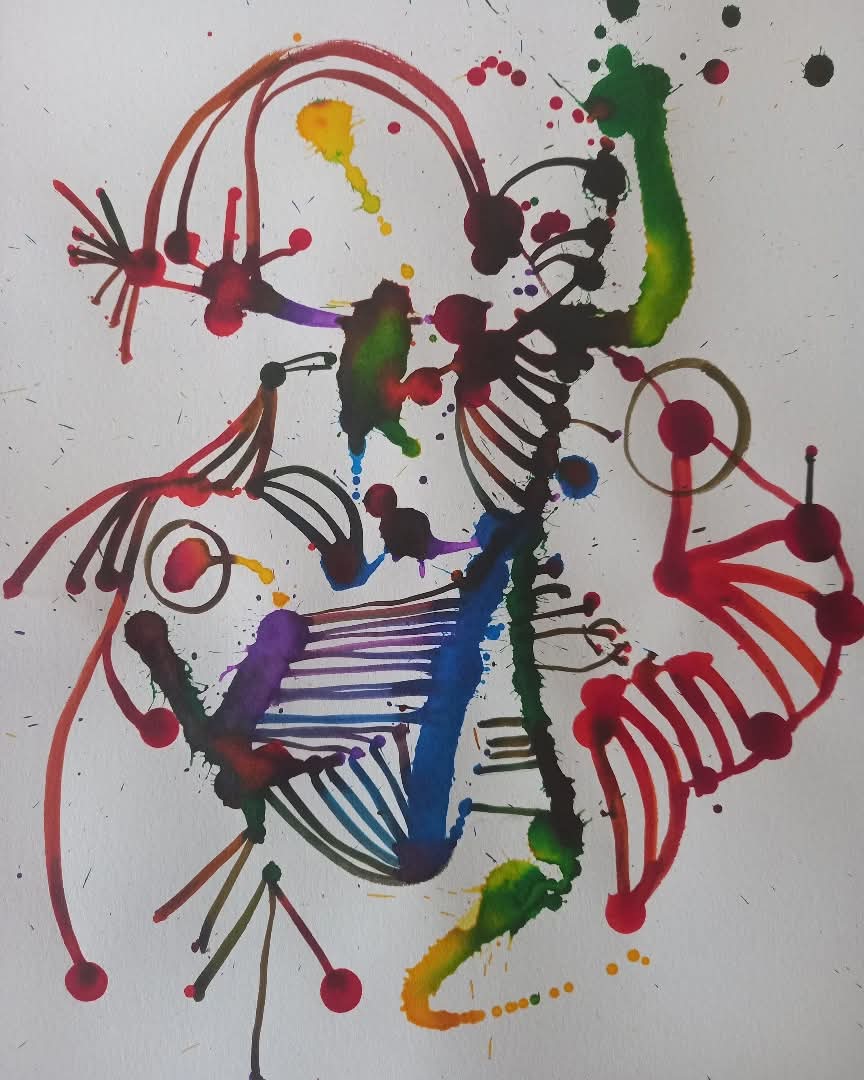
N.B. Special thanks for image credit goes to Deirdra McMenamin MA Clin Arts Therapy, Deirdra@duck.com Artist, Storyteller, Performer, Poet, Mother, has spent a lifetime working on peace making & conflict resolution through the Arts and Spirit. From Northern Ireland to New Zealand. Ecocivilisation’s Co-Chair for New Zealand.
July 27, 2025, Novi Sad, Serbia, Nataša Heror